Dear ISIPT Colleagues —
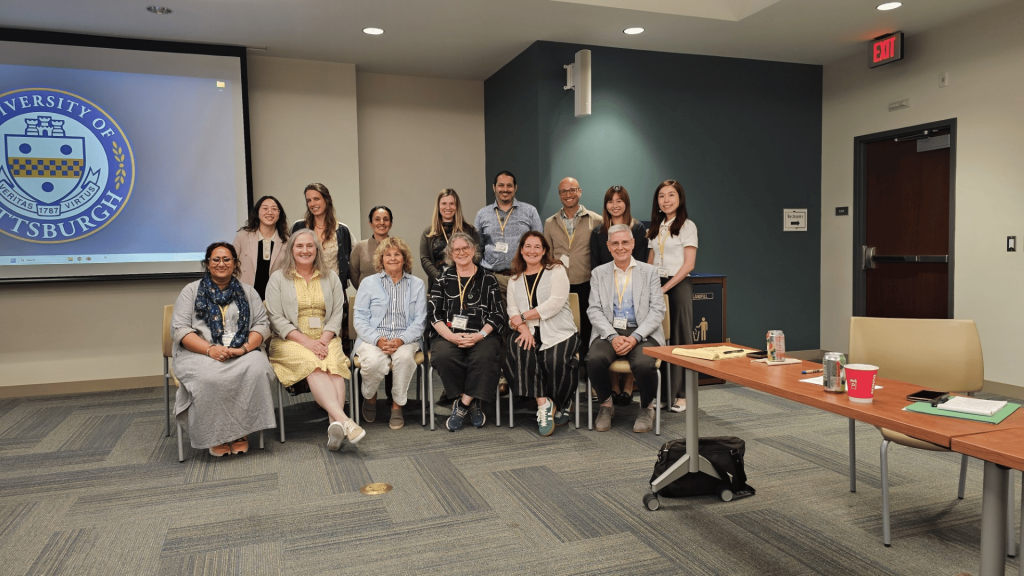
We had a wonderful ISIPT Conference last week — Pittsburgh provided uncharacteristically gorgeous weather, and our attendees were energized, engaged, and excited to share their work and wisdom in providing IPT around the world to improve mental health to individuals across the lifespan.
It is impossible to summarize the experience of being together — the warmth, the conversations, and the determination of a small but committed group moving IPT implementation and dissemination efforts forward against global headwinds that present significant challenges. However — these are a few themes that were discussed:
Focus on AI and how we will position ourselves as IPT therapists/ trainers/ supervisors — how to utilize AI as a means for increasing access and fidelity to IPT training, and how to increase AI’s wisdom. It is sure to be a big topic at our next biennial conference.
Embrace of implementation science: So many themes of co-designing programs and training with community members and local experts; task shifting models of delivering IPT for intervention and prevention in Mozambique, Tanzania, Peru, Columbia, Ecuador, Bangladesh, Burundi, Malaysia, NYC, Kentucky, Pittsburgh, and Minnesota (not an exhaustive list — only from the symposia I attended!); a focus on training – JITT models of training/ supervision, the refinement of digital training models such as we saw with the ENGAGE program; the sheer amount of qualitative and mixed methods research.
Gathering our interventions under a single name – IPT is IPT is IPT. Laura Mufson brought this issue to our attention at the last biennial meeting, and many agreed with this assessment. What are the barriers of moving forward with a big tent IPT?
Sustainability, sustainability, sustainability. Sustainability of clinical research studies in times of uncertain funding and would there be ways to collaborate and join forces to pursue larger studies of IPT effectiveness and the sustainability of our organization– we need to assure that ISIPT survives into the next decade and beyond.
Lastly, I wish to thank everyone who made this conference a success — our keynote speakers, presenters, pre-conference instructors, students, and the University of Pittsburgh staff. A big thank you to Fiona Rose of IPT-UK who created our website and conference materials, and Jacob Hinnen at Parthenon Management Group.
We in the leadership of ISIPT – all volunteers, all with full-time careers — remind our members that we do much with little. Our membership and certification dues sustain our organization’s website, listserv and biennial conference organization. Still, there is much more we need to do to support chapters in LMIC countries and to forward our certificate efforts to identify trained but non-licensed IPC providers within the constraints of our US-based organization.
We are eager to face these challenges and open questions — as we work to find solutions that sustain our membership, training, and research, we will deepen our roots in communities around the world and with each other in ISIPT. The 2026 ISIPT Conference has renewed our resolve, sparked new ideas, and provided a powerful reminder of what we can accomplish together, when we share our work, our expertise and ideas. The conference allowed all of us to reflect on this moment in time as we, who practice, train/ supervise and research IPT, bridge our past traditions with future. We celebrated Dr. Myrna Weissman’s exceptional career and elevated voices of the next generation of IPT leaders – all of us have a role in this story. As Ari said in the PTSD symposium – we care about feelings, we care about connections. As Paula said in our IPT Trainers Training – we are the curriculum. We are ISIPT.
With deep appreciation and warm regards,
Laura Dietz & the ISIPT Conference Planning Committee (Jill Cyranowksi, Holly Swartz, Danielle Novick, Heather Flynn, Joseph Chung, & Fiona Rose of IPT-UK )